
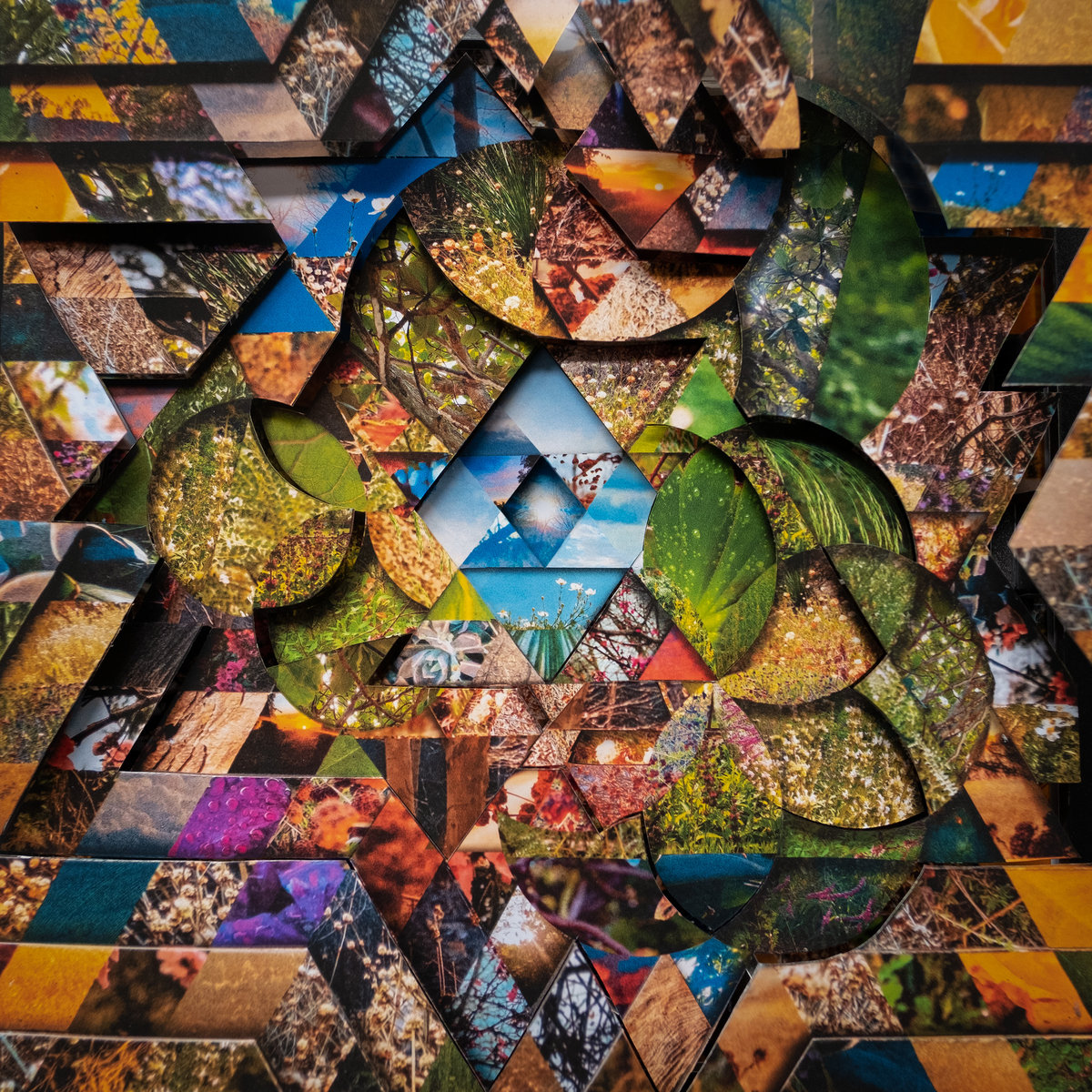
Les Jardins Mystiques, Volume 1 (Brainfeeder)
Miguel Atwood-Ferguson
Released November 10, 2023
DownBeat Five-Star Review
YouTube:
https://music.youtube.com/playlist?list=OLAK5uy_mxHXHlf6YEov6v40A_ZZx3ezj2qBpgBC8
Spotify:
About:
14 years in the making, “Les Jardins Mystiques Vol.1” comprises 52 tracks / 3.5 hours of music composed, arranged and produced by Miguel with contributions from 50+ friends including Kamasi Washington, Thundercat, DOMi & JD Beck, Jeff Parker, Carlos Niño, Austin Peralta, Bennie Maupin, Gabe Noel, Jamael Dean, Jamire Williams, Burniss Travis II, Deantoni Parks, Josh Johnson, Marcus Gilmore and many more.
Based in his hometown of Los Angeles, Miguel is one of the preeminent musicians, orchestrators, arrangers and composers of our time. “Les Jardins Mystiques Vol.1” is his long-awaited inaugural album. It presents us with a passionate statement of intent, a labor of love, and a realm of beautiful possibilities.
“Les Jardins Mystiques” is a project that throws open and shares Miguel’s musical universe. It took shape over a dozen years, largely self-funded by Miguel, and showcasing his distinctly elegant musicianship (on violin, viola, cello and keyboards among other instruments) alongside his free-spirited dialogues with more than 50 instrumentalists. Volume 1 is the first in a planned triptych, which will collectively comprise ten-and-a-half-hours of original, refreshingly expansive music. Miguel connected with his guest musicians in versatile ways: through convivial studio dialogues; over remote communication during the pandemic era; and via the energy of live performances at LA venues including Del Monte Speakeasy (the gorgeously invigorating, piano-led “Dream Dance”) and Bluewhale (including “Ano Yo” with vivacious alto from Devin Daniels, and the cosmic harmonies of “Cho Oyu”). Bennie Maupin, the legendary US multi-reedist whose repertoire includes Miles Davis’s fusion opus Bitches Brew, plays bass clarinet on the entrancing opening number, “Kiseki”.
“Les Jardins Mystiques” reflects Miguel’s ethos that music is a natural, vitally unaffected life force. The titles across Volume 1’s tracks draw from international languages and traditions, including Spanish, Swahili, Sanskrit, Ancient Greek, Japanese and Hebrew, as well as the Buddhist practice that has been key to Miguel’s life since his twenties (“It’s very joyous and very hard, because it says that there’s no retirement age in human revolution,” he says). The tracks contrast in length, from “Zarra”’s vivid burst of analogue synths to the alluringly chilled melody of “Kairos (Amor Fati)”, yet there’s a gloriously unconstrained flow throughout, and each piece seems to unfurl and blossom into its own wondrous world.
The blissfully radiant “Airavata” derives its title from the white elephant who carries the Hindu deity Indra: a divine being associated with elemental forces. It features Miguel on electric guitar (recorded then reversed to mesmerizing effect) and acoustic violin/viola, alongside bassist Gabe Noel and cellist Peter Jacobson. The stirring “Tzedakah” alludes to a Hebrew and Arabic concept of philanthropy and righteousness, and incorporates soulful bouzouki and oud within its multi-instrumental whirl. The vividly emotive piano melody “Mångata” is inspired by a Swedish word that describes the moon’s undulating reflection on water.
“To me, playing music in any kind of setting is like swimming in an ocean of sounds and emotions and vibrations,” he says. “It’s the combination of all these different rivers, right? Western European classical music is an intense love and passion of mine; all the different genres within jazz music are a joy to practice and have given my life so much meaning; electronic music, world music, and all these different things I’ve been exploring all these years.”
“I just want to be an enabler for magic and empowerment, everyone and everything. I believe in people… and I think that this is a very benevolent multiverse we’re living in. I feel like everything has infinite worth. That’s why I tried to have the diversity of tracks on there; every one is a mystical garden, in my opinion.”
Track Listing:
1. Kiseki 04:48
2. Persinette 01:47
3. Narva 00:42
4. Eudaimonia 10:08
5. Porpita 03:26
6. Nazo No Tenkai (Ernok) 01:23
7. Mångata 03:25
8. Ano Yo 12:32
9. Zarra 00:59
10. Kairos (Amor Fati) 14:04
11. Magnolia (Aisling) 01:51
12. Cho Oyu 08:58
13. Matumaini 04:50
14. Zoticus 01:06
15. Légäsi 08:38
16. Votivus 01:35
17. Querencia 01:33
18. Kundinyota 02:38
19. Dragons of Eden 01:41
20. Eunoia 06:12
21. Znaniya (Falkor) 03:59
22. Tzedakah 09:53
23. Apocrypha 02:01
24. Asherah 03:01
25. Plotinus 00:36
26. Kairos (Kefi) 05:08
27. Qumran 04:53
28. Makaria 01:47
29. Kupaianaha 08:22
30. Taijasa 04:50
31. Vesta 01:23
32. Ziggurat 01:32
33. Ziya 03:20
34. Scar 06:36
35. Let The Light Shine In 01:06
36. Komorebi 02:49
37. Daydream 04:10
38. Dream Dance 12:49
39. Apotheosis 07:59
40. Magnolia (Astronomia Nova) 01:47
41. Moksha 06:11
42. Datsuzoku 02:12
43. Hypatia 03:04
44. Kuleana 01:09
45. Aldous 00:34
46. Jijivisha 02:38
47. Paititi 00:51
48. Airavata 04:31
49. Znaniya (Ahura Mazda) 03:52
50. Nag Hammadi 01:23
51. Halcyon 01:24
52. Sweet Invitation 02:03
Personnel:
Miguel Atwood-Ferguson, electric violin (1, 3, 5, 8, 12, 14, 19, 27, 38, 42), reversed acoustic violin (1), reversed acoustic viola (1), reversed acoustic cello (1, 22, 31, 35, 36), violin (2, 9, 10, 11, 16, 18, 22, 23, 29, 31, 35, 36, 39, 42, 43, 45, 46, 48, 50), viola (2, 4, 9, 10, 11, 16, 18, 20, 22-24, 29, 30, 31, 33, 35, 39, 42, 43, 45, 46, 48, 50), sleigh bells (5, 8, 12), reversed piano (5, 29), synthesizer (22, 29), MIDI programming (6, 9, 13, 16, 18, 21, 23, 25, 26, 28, 32, 36, 37, 40, 43, 45, 48, 49), synth programming (16), voice (36, 42), reversed keyboard (39), electric guitar (46), harp programming (47), cello (50)
Benjamin Fredrick Vukelić: MIDI and Synth Programming (3, 6, 9, 13, 18, 21, 22, 23, 25, 26, 28, 29, 32, 37, 40, 43, 48, 49)
Ambrose Akinmusire: trumpet (19)
Daniel Rosenboom: trumpet (10, 22, 39, 45)
Garrett Smith: trombone (10), tenor trombone (22, 39, 45), bass trombone (22, 39, 45)
Bennie Maupin: bass clarinet (1)
Josh Johnson: alto saxophone (14, 19, 20, 33, 38), flute (1, 24)
Devin Daniels: alto saxophone (8)
Kamasi Washington: tenor saxophone (17, 27)
Daniel Rotem: tenor saxophone (8)
Brian Walsh: clarinet (10, 20), bass clarinet (10, 33)
Anthony Parnther: bassoon (44), contrabassoon (44)
Jamael Dean: piano (12, 17, 27, 38)
Josh Nelson: piano (1, 5, 7, 10, 14, 19, 22, 34)
Greg Spero: piano (8)
Vardan Ovsepian: piano (20, 24, 33)
DOMi Louna: keyboards (2, 26)
Austin Peralta: piano (4), reversed keyboard (45)
Joey Dosik: reversed keyboard (45)
Nick Mancini: vibraphone (17, 27)
Jeff Parker: electric guitar (5, 17, 21, 27)
Chris Lea: reversed flute (6), reversed alto flute (6), flute (10)
Katisse Buckingham: alto flute (10)
Sara Andon: bass flute (10, 39)
Marcel Camargo: electric guitar (19, 28, 30)
Lara Somogyi: harp (8, 12)
Liza Wallace: harp (8, 12, 22)
Alison Bjorkedal: harp (10, 29, 39, 41)
Asher Shasho-Levy: oud (22)
Artyom Manukyan: cello (20, 24, 33)
Peter Jacobsen: cello (29, 39, 45, 46)
Trevor Ware: acoustic bass (5), reversed acoustic bass (45)
Burniss Travis II: electric bass (2, 26)
Benjamin Shepherd: electric bass (5, 21, 27), acoustic bass (17)
Stephen “Thundercat” Bruner: electric bass (10)
Gabe Noel: acoustic bass (1, 14, 19, 20, 24, 29, 30, 33, 35, 38, 46), electric bass (8, 12), bouzouki (22)
Marcus Gilmore: drum set (1, 10, 14, 19)
JD Beck: drum set (2, 26)
Gene Coye: drum set (8)
Brandon Coleman: reversed Hammond organ (5)
Jamire Williams: drum set (5, 12, 17, 22, 27)
Justin Brown: drum set (6)
Kharon Harrison: reversed drum set (5)
Timothy Angulo: drum set (16)
Deantoni Parks: drum set (29, 30)
Greg Paul: drum set (38)
Dexter Story: reversed drum set (45)
Carlos Niño: percussion (1, 6, 8, 10, 12, 14, 17, 19, 20, 22, 24, 27, 29, 30, 33, 41), reversed percussion (45)
Allakoi Peete: percussion (6, 17, 19, 22, 27, 38), reversed percussion (45)
Pete Korpela: percussion (20, 33)
Andres Renteria: reversed percussion (45)
Recording Engineer: Be Hussey, Benjamin Fredrick Vukelić, Chris Harbach, Chris Rondinella, Maxmilian Sink, Miguel Atwood-Ferguson
Mixing Engineer: Benjamin Fredrick Vukelić
Mastering Engineer: Frank Arkwright
Artwork: David Crunelle
Photography by Miguel Atwood-Ferguson
Layout: Adam Stover
Producer: Miguel Atwood-Ferguson
Review:
It would be easier to list the contemporary musicians he hasn’t played with, the instruments he doesn’t play himself. Does the guy sleep?
This, though, is the debut solo recording by Miguel Atwood-Ferguson, a modern-day auteur whose composing style runs from jazz to ambient to classical to things that haven’t got a name yet. The most striking thing about the music is how casually prodigal it can seem. The second track, “Persinette,” goes to some lengths to build an atmosphere, rich and brooding and strange, and then just stops. There are many more like that, but somehow, almost miraculously, it doesn’t seem wasteful but generous. The only contemporary outfit that you might compare MA-F to is Ephemerals; there’s the same mix of blissed orchestral sounds, jazzy breaks and cinematic scene-setting (no vocals, though). But the inspirations seem to fly off in other directions, too: references to gnostic Christianity, Zoroastrianism, Greek philosophy. Picking out highlights is a bit like picking out the bits of truffle from a carefully assembled dish: It misses the point. At three-and-ahalf hours, this is a vast dreamscape, vouchsafed to us by one of the most exciting composers at work today.
Brian Morton (DownBeat)


